
Let me tell you something most SEO guides won’t admit: not every link-building strategy needs a $500/month tool subscription or an agency retainer. Article submission works best as part of a complete off-page SEO strategy. Free article submission sites have been quietly working for years, and in 2026, they still do, if you use the right ones and stop pretending that submitting to 300 low-quality directories counts as a strategy.
I put together this guide because most “200+ article submission sites” lists floating around are half-dead links, outdated DA scores, and platforms that stopped accepting content two years ago. Every site in this list was checked in April 2026. If a platform is down, no longer accepting submissions, or flagged as spammy, it’s not here.
Whether you need instant approval to get fast indexing, dofollow backlinks to pass real link equity, or niche platforms that actually reach your target audience, you’ll find all three here. Let’s get into it.
What Are Article Submission Sites and Why Do They Still Matter in 2026?
Article submission sites are platforms where you can publish written content for free. In exchange, most of them let you include a link back to your website, either inside the article itself or in your author bio. That link is the SEO asset you’re after.
If you want to submit your whole blog instead of individual articles, use the blog submission sites guide.
But here’s what the old-school SEO crowd got wrong: it was never about volume. Dropping the same 500-word article on 200 directories in one afternoon doesn’t move rankings. Google has been smart enough to detect that pattern since the Penguin update, and it’s only gotten better at it since.
What still works is publishing original, genuinely useful content on high-authority platforms. When a site like Medium (DA 95) or LinkedIn Articles (DA 98) links back to you, that’s a different quality of signal than a dead directory no one’s visited since 2019.
These platforms go by several names depending on how they are used. You might see them called article websites for SEO, article distribution sites, or free article publishing platforms. The function is the same across all of them: you submit original written content, they publish it on their domain, and you earn a backlink plus exposure to their existing audience. The terminology shifts but the strategy does not.
Three Things Article Submission Actually Gives You in 2026
- Backlinks from established domains: Even nofollow links from DA 70+ platforms send Google a trust signal and drive referral traffic.
- Faster indexing: Publishing on platforms that Google crawls daily gets your content discovered much faster than waiting for your own site to be crawled.
- Referral traffic that converts: Readers on Medium or Quora are actively looking for information. A well-placed article puts you in front of people with real buying intent.
After publishing, submit the article URL to search engines for faster discovery
How to Choose the Right Free Article Submission Sites (Without Wasting Time)
There are hundreds of platforms out there. Here’s how to tell in 30 seconds whether one is worth your time.
Check DA Before Anything Else
Domain Authority is your first filter. Aim for DA 40 and above for any site you invest serious writing effort into. Sites below DA 20 have almost no SEO value in 2026, and many of them are crawled by Google infrequently enough that your content might never get indexed.
Free tools like Moz’s Link Explorer or Ahrefs’ free plan let you check DA before submitting. The fastest option is the MozBar Chrome extension, it shows the DA and spam score of any article submission website directly in your browser as you browse, so you never need to leave the page. Search “article submissions websites moz” in the Chrome Web Store and install it free. Spend 30 seconds on this check before submitting anywhere. It saves hours of wasted effort on dead platforms.
Match the Platform to Your Niche
A finance article on a tech platform gets ignored by readers and underperforms in search because the platform’s topical authority doesn’t align with your content. Publishing a fintech guide on Investopedia reaches an audience that’s already in the mindset to act on financial advice. That alignment matters both for SEO and for conversion.
Check Approval Time vs. Your Goal
If you need fast indexing (launching a product, covering a trend), go for instant approval platforms like Medium, Dev.to, or LinkedIn Articles. If you’re building long-term domain authority, invest the effort in editorially reviewed platforms like Smashing Magazine or Entrepreneur, For editor-approved placements, use the free guest posting sites guide. which take longer but deliver stronger signals.
The DA Test vs. The Engagement Test
| Signal | What to Check | Tool |
| Domain Authority | DA 40+ = worth submitting | Moz Free / Ahrefs |
| Monthly Traffic | 10,000+ visits minimum | SimilarWeb |
| Bounce Rate | Under 65% = engaged audience | SimilarWeb |
| Link Type | Dofollow vs. nofollow in body/bio | Browser inspect / MozBar |
| Approval Time | Instant vs. moderated | Check submission page |
Top 50 High DA Free Article Submission Sites for 2026 (Verified)
Best Free SEO Article Submission Sites for Maximum Impact
These are the platforms worth your real writing effort. DA scores are as of April 2026. Every site on this list was manually checked for active submission capability.
Tier 1: DA 80+ Platforms (Your Highest Priority)
| Platform | DA | Link Type | Approval | Best For |
| LinkedIn Articles | 98 | Nofollow | Instant | B2B, professional content |
| Medium | 95 | Nofollow | Instant | All niches, storytelling |
| Forbes Councils | 95 | Dofollow | Paid/Editorial | Established brands |
| EzineArticles | 91 | Dofollow | 2-3 days | General, evergreen content |
| Quora | 90 | Nofollow | Instant | Q&A, thought leadership |
| HubPages | 90 | Dofollow | Instant | Tutorials, how-to guides |
| Smashing Magazine | 90 | Dofollow | 1-2 weeks | Web design, UX, dev |
| Healthline | 92 | Nofollow | Editorial | Health, wellness, nutrition |
| TechCrunch | 94 | Dofollow | Editorial | Tech, startups, SaaS |
| Investopedia | 93 | Nofollow | Editorial | Finance, investing |
| Business Insider | 94 | Dofollow | Editorial | Business, entrepreneurship |
| Dev.to | 84 | Nofollow | Instant | Developers, coding tutorials |
| HackerNoon | 82 | Dofollow | 24-48 hrs | Tech, crypto, AI |
| Scoop.it | 84 | Dofollow | Instant | Content curation + articles |
| Entrepreneur | 91 | Nofollow | 1-2 weeks | Startups, leadership, growth |
Tier 2: DA 50–79 Platforms (Strong Supporting Links)
| Platform | DA | Link Type | Approval | Best For |
| ArticleBiz | 68 | Dofollow | 24-48 hrs | General, business content |
| SelfGrowth | 65 | Dofollow | 2-3 days | Personal development, health |
| GoArticles | 60 | Dofollow | 24 hrs | Business, marketing |
| Ezine.com | 58 | Dofollow | 2 days | General audience articles |
| Sooper Articles | 55 | Dofollow | 24-48 hrs | Technology, lifestyle |
| BizSugar | 73 | Dofollow | Instant | Small business, marketing |
| Local.com | 68 | Dofollow | 48 hrs | Local SEO, service businesses |
| Patch.com | 82 | Nofollow | 24 hrs | Local news, geo-targeted |
| Nextdoor | 84 | Nofollow | Instant | Local community content |
| Well+Good | 85 | Nofollow | 1 week | Wellness, fitness, nutrition |
Note: Dofollow/nofollow status can change. Always verify using a browser extension like MozBar before submitting, especially for body-text links vs. author bio links.
Best Article Submission Sites with Instant Approval
These platforms publish your content immediately or within a few hours. No waiting on an editor, no rejection emails. You create an account, write your article, and it goes live. That said, instant approval doesn’t mean no standards. Thin content, duplicate articles, and keyword-stuffed paragraphs still get flagged and removed.
| Platform | DA | Link Type | Notes |
| Medium | 95 | Nofollow | Best starting point. 100M+ monthly readers, built-in distribution |
| LinkedIn Articles | 98 | Nofollow | Leverage your existing professional network immediately |
| HubPages | 90 | Dofollow | Great for how-to and tutorial content. Passes link equity |
| Dev.to | 84 | Nofollow | Engaged developer community. Good for tech tutorials |
| Scoop.it | 84 | Dofollow | Content curation + publishing. Easy to get indexed fast |
| Quora | 90 | Nofollow | Answer a question, link to your full article. High CTR potential |
| Nextdoor | 84 | Nofollow | Only useful for local/geo-targeted content |
| BizSugar | 73 | Dofollow | Startup and small business content works well here |
If you’re starting out and can only choose three platforms this week, go with Medium, HubPages, and LinkedIn Articles. Between them you get DA 90+, instant publishing, access to millions of readers, and at least one dofollow backlink. For mini-blog platforms like Blogger, Tumblr, and WordPress.com, see the Web 2.0 submission sites guide.
Sites to Publish Articles for Free Without Registration
If you want to publish your content without creating an account or going through a sign-up process, a small number of platforms still allow it. These are useful when you need fast indexing on a page that has no existing backlinks pointing to it.
- EzineArticles: Create a free account in under two minutes with just an email. No waiting period before your first submission.
- ArticleBiz: Accepts submissions with minimal registration. Your article goes live within 24 to 48 hours.
- GoArticles: Simple sign-up with no profile approval step. Suitable for general and business content.
- HubPages: Google account sign-in available. No lengthy profile setup required before submitting.
- Scoop.it: Log in with Google or LinkedIn. Content goes live immediately without a separate account verification step.
These are not no-registration in the strict sense, most platforms require at least an email to prevent spam. What they offer is minimal friction: sign up, verify once, submit immediately. No lengthy editorial profile approval, no waiting period between account creation and first submission.
Dofollow Article Submission Sites That Pass Real Link Juice
Most high-authority platforms use nofollow links by default. That’s fine for traffic and brand visibility, but if your primary goal is passing link equity to boost your own domain authority, you need to know which platforms actually give you dofollow links and under what conditions.
Important: many platforms that offer dofollow links in the article body switch to nofollow in the author bio, or vice versa. The table below reflects the link type for in-content links as of April 2026.
| Platform | DA | In-Content Link | Author Bio Link | Verified April 2026 |
| HubPages | 90 | Dofollow | Dofollow | Yes |
| EzineArticles | 91 | Dofollow | Dofollow | Yes |
| HackerNoon | 82 | Dofollow | Dofollow | Yes |
| Scoop.it | 84 | Dofollow | Dofollow | Yes |
| ArticleBiz | 68 | Dofollow | Dofollow | Yes |
| BizSugar | 73 | Dofollow | Dofollow | Yes |
| SelfGrowth | 65 | Dofollow | Dofollow | Yes |
| TechCrunch | 94 | Dofollow | N/A (editorial) | Yes — editorial only |
| Business Insider | 94 | Dofollow | N/A (editorial) | Yes — editorial only |
Anchor text rule to follow: 80% of your links should use branded or natural anchors (your site name, “click here,” “learn more”). Only 20% should use keyword-rich text like “free article submission sites.” Going heavier than that looks manipulative, and Google’s Penguin filter will catch it. You can also share each published article on social bookmarking sites for faster discovery
Best Free SEO Article Submission Sites for Maximum SEO Impact
Not all submission platforms treat SEO content the same way. If your goal is specifically to improve search rankings through free SEO article submission, these platforms give you the strongest combination of domain authority, dofollow links, and topical relevance for SEO-focused content.
The difference between submitting a general lifestyle article and submitting an SEO article submission is intent alignment. Platforms that attract SEO professionals, digital marketers, and growth-focused readers will give your content better engagement signals, which compounds the backlink benefit.
| Platform | DA | Why It Works for SEO Content |
|---|---|---|
| HackerNoon | 82 | Large tech and SEO audience, dofollow links, community-voted visibility |
| GrowthHackers | 82 | Built specifically for marketers, dofollow, high-intent readership |
| Medium (Marketing tag) | 95 | Use the Marketing and SEO tags, content reaches 100M+ readers |
| Quora (SEO spaces) | 90 | SEO questions get thousands of views, your answer links back to your site |
| BizSugar | 73 | Small business and marketing community, dofollow, active moderation |
| Dev.to | 84 | Technical SEO content performs well here, structured data, crawl guides |
For free SEO submission that reaches the right audience, these six platforms cover the full spectrum from technical content to growth strategy. Submit your best SEO guide to two or three of them every month and build a consistent content presence rather than a one-time drop.
Niche-Specific Article Submission Sites (Tech, Health, Finance, Local SEO)
Generic platforms get you exposure. Niche platforms get you the right exposure. If you’re publishing content in a specific vertical, targeting platforms with an established audience in that space will give you better referral traffic and stronger topical relevance signals.
Technology & Developer Platforms
| Platform | DA | Best Content Type | Tip |
| TechCrunch | 94 | Startup news, product launches | Pitch trending AI or SaaS topics for editorial |
| HackerNoon | 82 | Dev tutorials, crypto, Web3 | Community votes on content, make it genuinely useful |
| Smashing Magazine | 90 | Web design, UX, front-end dev | Long-form, research-backed content only |
| Dev.to | 84 | Coding tutorials, career advice | Short, practical tutorials perform best here |
| TechRadar | 93 | Product comparisons, tech news | Include 2026 data points in your pitch |
Health & Wellness Platforms
| Platform | DA | Best Content Type | Tip |
| Healthline | 92 | Evidence-based health guides | Must cite peer-reviewed studies, no exceptions |
| Well+Good | 85 | Wellness trends, fitness routines | “Gut Health” and “Holistic Fitness” perform strongly |
| MindBodyGreen | 83 | Mindfulness, sustainable living | Conversational tone works better here than clinical |
| Prevention | 88 | Science-backed health tips | Headlines with numbers do well: “5 Reasons…” |
| Yoga Journal | 76 | Yoga, breathwork, spiritual wellness | Visual content outperforms text-only articles |
Finance & Business Platforms
| Platform | DA | Best Content Type | Tip |
| Investopedia | 93 | Finance explainers, investing guides | Simplify complex topics for beginner audiences |
| Entrepreneur | 91 | Leadership, scaling, side hustles | First-person experience stories get the most traction |
| The Motley Fool | 89 | Stock market, investment strategies | Data-driven analysis required |
| Forbes Councils | 95 | Executive thought leadership | Paid membership required, worth it for established brands |
| Business Insider | 94 | Trend-based business analysis | Pitch data-driven articles tied to current events |
Local SEO Platforms (for Service Businesses)
| Platform | DA | Best For | Tip |
| Patch.com | 82 | Hyperlocal news, community events | Include your city name in title and first paragraph |
| Nextdoor | 84 | Local community posts, promotions | Geo-targeted content only — keep it neighbourhood-specific |
| Yelp Blog | 89 | Customer stories, local business tips | Highlight real customer success narratives |
| Local.com | 68 | Local business listings + articles | Use ‘near me’ and location keywords naturally |
| Chamber of Commerce | 75 | B2B, local partnerships, events | Check your local chapter website for submission options |
How to Submit Articles for Maximum SEO Impact (Step-by-Step)
This is where most people get it wrong. They spend all their time researching platforms and zero time on the actual submission process. Here’s the exact workflow that gets results.
Step 1: Prepare Your Article Before You Touch Any Platform
Keyword placement that actually reads naturally: Put your primary keyword in the title, the first paragraph, and at least two subheadings. That’s it. Don’t force it anywhere else, write for the reader and the keyword will appear organically.
Length: Aim for 800 to 1,500 words depending on the platform. Medium readers respond well to 1,000 to 1,200 words with a clear structure. EzineArticles requires a minimum of 400 words. Forbes editors want 1,200+ with data.
Originality: Never submit the same article to two platforms. Not even close. A 70% rewrite minimum if you’re repurposing content. Run it through Copyscape before submitting anywhere.
Formatting: Short paragraphs (2-3 sentences max). Subheadings every 200-300 words. One image with descriptive alt text. These aren’t optional on most platforms, they’re what gets your content approved.
Step 2: Build Your Author Profiles First
Before you submit a single article, spend 20 minutes creating a proper author bio on each platform. A professional headshot, a 50-word bio with your target keyword naturally included, and a CTA that links to your site with a tracked URL.
Why this matters: a complete author profile signals legitimacy to both the platform’s moderators and to readers. Submissions from accounts with empty profiles get rejected more frequently.
Step 3: Submit With a Sensible Schedule
- Start with 2 to 3 platforms per week, not 20
- Limit submissions to 2 to 3 articles per week per platform
- Spread your content across 10 to 15 different sites per month
- Prioritize Tier 1 platforms (DA 80+) for your best-researched pieces
- Use Tier 2 platforms for repurposed or shorter-form content
Step 4: Track Everything With UTM Parameters
Add UTM parameters to every link you place in a submitted article. Something like ?utm_source=medium&utm_medium=article&utm_campaign=backlinking. When you check Google Analytics, you’ll know exactly which platforms are sending traffic and which ones are dead weight.
| Metric | Where to Check | What You’re Looking For |
| Referral traffic | GA4 > Acquisition > Referral | Which platforms actually send visitors |
| Backlink indexing | Google Search Console > Links | Whether submitted articles got picked up |
| Keyword movement | GSC > Performance > Queries | Rankings improving for target terms |
| Conversion rate | GA4 > Conversions | Which platform audiences convert best |
How to Repurpose One Article Across Multiple Submission Sites
Writing a fresh, original 1,500-word article for every single submission platform isn’t realistic. The smart approach is to write one excellent piece and then reshape it for different formats and audiences without duplicating content.
The One-Article, Multiple-Format Framework
- LinkedIn Articles: Pull the key data points and turn them into a professional insight post with a strong opinion in the opening line. B2B audiences respond to conviction.
- Medium: Write the full narrative version. Medium readers want story + substance. Use the same research but lead with a personal angle.
- Quora: Find a question your article answers. Write a 300-word response that gives a complete answer, then link to the full article for readers who want to go deeper.
- HackerNoon / Dev.to: Strip out anything that isn’t technical. Developer audiences want the code, the process, or the data. Remove the soft intro and get to the point.
- Email newsletter: Take the most surprising or counterintuitive finding from your article and send a 200-word teaser with a “read the full breakdown” link.
Each version above is genuinely different in structure and tone, which means no duplicate content issues. One research effort, five platforms, five backlinks.
Common Mistakes That Kill Your SEO on Article Submission Sites
I’ve seen all of these. Some of them are old habits from the 2010s that people still haven’t dropped. They don’t work and some of them actively hurt you.
1. Submitting the Same Article to Multiple Sites
Google finds duplicate content and either ignores the duplicate or penalizes the domain that published later. If two versions of your article exist, only one will rank. Make every submission meaningfully different.
2. Over-Optimizing Anchor Text
Using the same keyword-rich anchor text across all your backlinks looks unnatural because it is unnatural. Real editorial links use varied anchors. Follow the 80/20 rule: 80% branded or neutral anchors, 20% keyword-rich.
3. Targeting Low-DA Directories for Volume
Submitting 100 articles to DA 15 directories does less SEO good than submitting 5 articles to DA 70+ platforms. The math isn’t even close. Stop chasing volume.
4. Ignoring Mobile Formatting
46% of content is read on mobile. Long unbroken paragraphs, tiny fonts, and images that don’t scale get higher bounce rates, which sends a negative signal back to the platform’s algorithm. Short paragraphs, clear headings, and compressed images aren’t optional in 2026.
5. No Tracking Setup
Submitting articles without UTM parameters means you have no idea which platforms are actually working. Set up tracking before your first submission, not six months later when you’re trying to figure out why nothing is converting.
Tools That Make Article Submission Faster and Smarter
You don’t need a full tech stack for this. These tools address the specific bottlenecks in a typical article submission workflow.
| Tool | What It Does | Cost | Best Used For |
| Copyscape | Checks for duplicate content before submission | Free (basic) / Paid | Pre-submission originality check |
| Grammarly Premium | Grammar, tone, and readability checking | Free / $12 mo | Final proofread before submitting |
| MozBar | Shows DA/PA scores as you browse | Free extension | Vetting submission platforms on the fly |
| Google Analytics 4 | Tracks referral traffic by source | Free | Identifying which platforms drive conversions |
| Ahrefs Free | Backlink checker, DA verification | Free (limited) | Confirming your links got indexed |
| Hemingway Editor | Simplifies sentence structure | Free (web) | Making content readable for broad audiences |
| Canva | Creates featured images for submissions | Free / Pro | Medium, Scoop.it visual content |
| AnswerThePublic | Finds question-based content ideas | Free (3/day) | Generating article topics before writing |
For WordPress sites, these free SEO tools for WordPress help track indexing, rankings, and backlink impact
The Future of Article Submission Sites in 2026 and Beyond
The platforms are changing. The strategy is too. Here’s what’s actually happening and what it means for how you should be approaching article submission right now.
AI Content Needs Human Editing to Get Approved
Google’s Helpful Content Update and the editorial standards of high-DA platforms are now specifically designed to filter out purely AI-generated text. Medium, Smashing Magazine, and HackerNoon all flag articles that read like they came off an AI assembly line. The practical implication: use AI to outline and draft, then rewrite with your own voice, specific examples, and real-world perspective before you publish anywhere.
Niche Communities Are Outperforming General Directories
Dev.to, Substack, and specialist forums are growing faster than broad article directories because Google rewards content shared in communities with genuine topical authority. A cybersecurity post on HackerNoon will outrank the same post on a general DA 60 directory every time.
For business listings and niche citations, use the free directory submission sites guide.
Video-Enhanced Articles Are Getting Priority on Some Platforms
LinkedIn and Medium both report longer dwell times on articles that include embedded video or interactive content. A 2-minute explainer video embedded in your article isn’t just a bonus feature, it’s becoming a ranking signal on the platforms themselves.
Blockchain Publishing Is Real But Still Niche
Platforms like Mirror.xyz offer tokenized publishing where writers earn crypto rewards for viral articles. This isn’t going mainstream in 2026, but it’s worth knowing about if your audience skews toward Web3, fintech, or crypto.
Frequently Asked Questions
Are free article submission sites still effective in 2026?
Yes, when you use the right ones. High-authority platforms like Medium, HubPages, LinkedIn Articles, and EzineArticles still deliver real SEO value through backlinks, referral traffic, and faster indexing. Low-DA spam directories with no editorial standards are a different story. Avoid those. Focus your effort on DA 50+ platforms and you’ll see results.
What are the best free article submission sites with instant approval?
For instant approval with strong DA: Medium (95), LinkedIn Articles (98), HubPages (90), Dev.to (84), Scoop.it (84), and Quora (90). All of these allow you to publish immediately without waiting for editorial review, and all are actively crawled by Google.
How many articles should I submit per month?
For sustainable, penalty-free growth: 8 to 12 articles per month across 10 to 15 different platforms. That’s enough volume to build a natural-looking link profile without triggering spam filters. More than 3 submissions per week to any single platform starts to look unnatural.
What’s the difference between dofollow and nofollow links from article submission sites?
Dofollow links pass link equity directly to your domain and contribute to your DA growth. Nofollow links don’t pass direct link equity but still drive real traffic and contribute to a natural link profile. A healthy backlink portfolio has both. Don’t ignore nofollow platforms just because the link doesn’t pass equity, the referral traffic and brand mentions still matter.
How do I find niche-specific article submission sites for my industry?
Search Google for [your niche] + “write for us” or [your niche] + “submit article.” Check the DA of anything that comes up, vet for real engagement, and cross-reference against Ahrefs or Moz. For tech, health, finance, and local SEO, the platforms listed in this guide are a reliable starting point.
Where should I submit articles for SEO?
The best places to submit articles for SEO in 2026 are platforms with DA 70 or higher that have active readership and allow backlinks in the article body or author bio. Start with Medium (DA 95), HubPages (DA 90), EzineArticles (DA 91), HackerNoon (DA 82), and LinkedIn Articles (DA 98).
These five platforms cover both dofollow and nofollow link types, include built-in audiences that drive real referral traffic, and are crawled by Google frequently enough to get your submitted content indexed within days. For SEO-specific content, GrowthHackers and BizSugar also work well because the audience is already interested in search and digital marketing topics.
Can I submit articles for free without registration?
Most legitimate high-DA article submission platforms require at least an email sign-up to prevent spam and maintain content quality. However, several platforms make the registration process quick enough that it is effectively frictionless, EzineArticles, HubPages, Scoop.it, and GoArticles all allow you to sign up with a Google account or basic email and submit your first article within minutes.
There is no waiting period, no profile approval process, and no subscription required. The trade-off is that platforms with zero registration barriers tend to have lower DA and less editorial moderation, which means weaker SEO value. The sweet spot is platforms with fast but real registration, you sign up once and submit freely afterward.
Can I republish the same article on multiple sites?
No. Duplicate content across multiple platforms gets one version indexed and the rest ignored. If you want to cover the same topic on different platforms, rewrite it substantially, at minimum 70% different in structure and phrasing. A different angle, a different opening, a different set of examples. Same research, genuinely different article.
How long before I see SEO results from article submissions?
High-DA platforms like Investopedia or Medium can show ranking movement in 2 to 4 weeks if the content is indexed quickly. Smaller platforms may take 1 to 3 months. The link equity benefit to your own domain authority compounds over 6 to 12 months of consistent, quality submissions. Track keyword movement in Google Search Console monthly, not weekly.
What is the ideal word count for articles submitted to these sites?
- Medium: 900 to 1,200 words with clear subheadings and at least one image
- EzineArticles: 400 to 800 words, informative and original
- Quora: 300 to 500 words, direct answers only
- Forbes / Business Insider / Entrepreneur: 1,200 to 1,800 words, data-driven
- to / HackerNoon: 600 to 1,000 words, technical depth over length


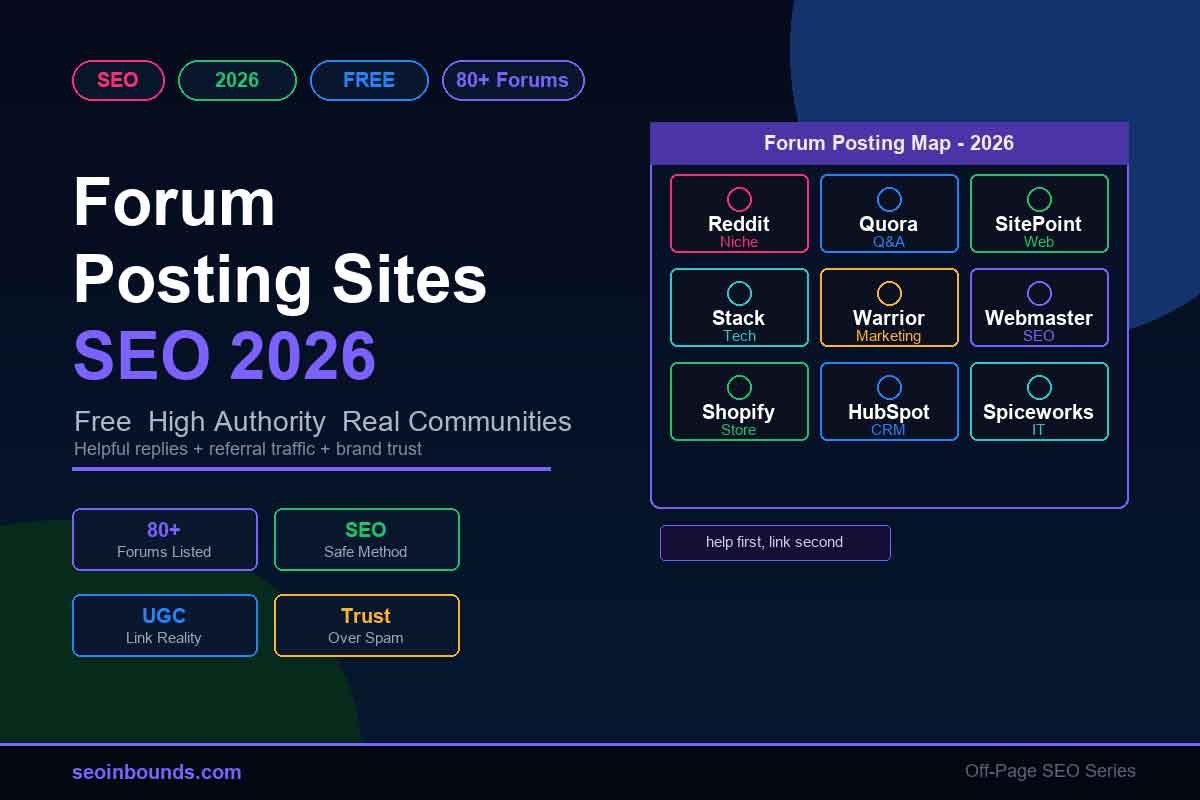
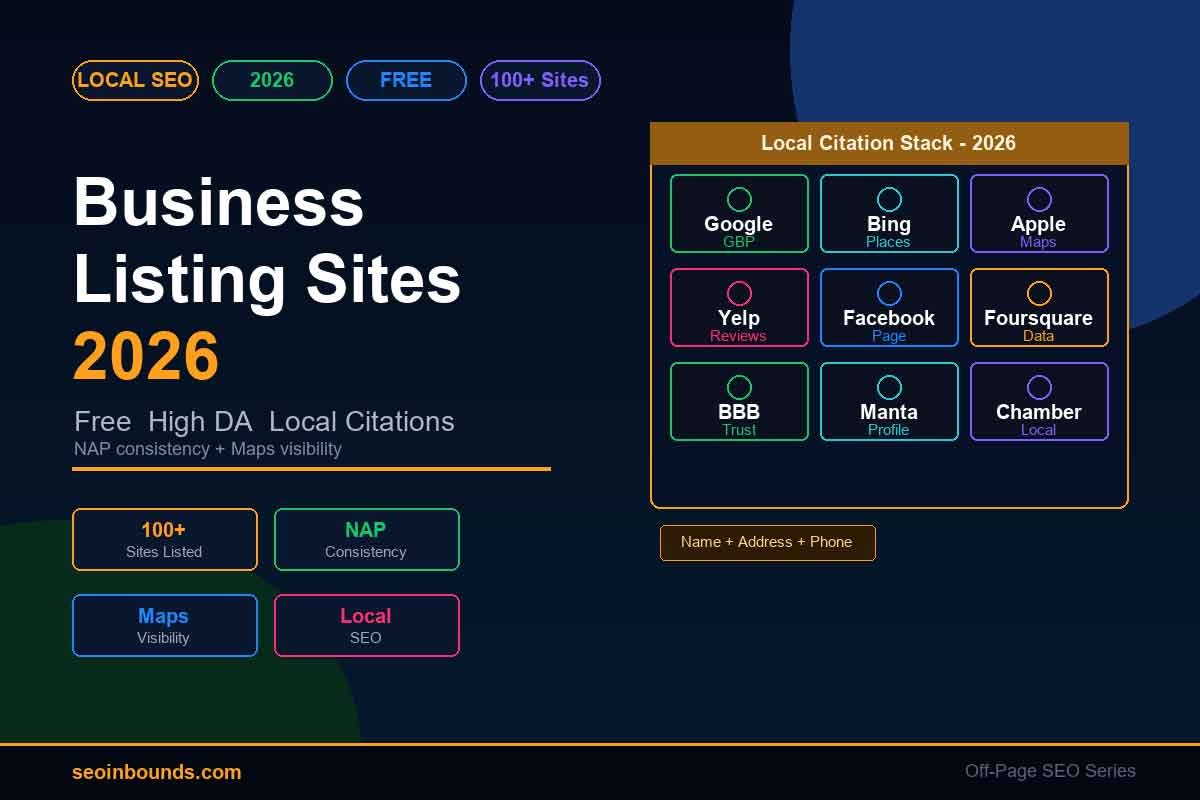
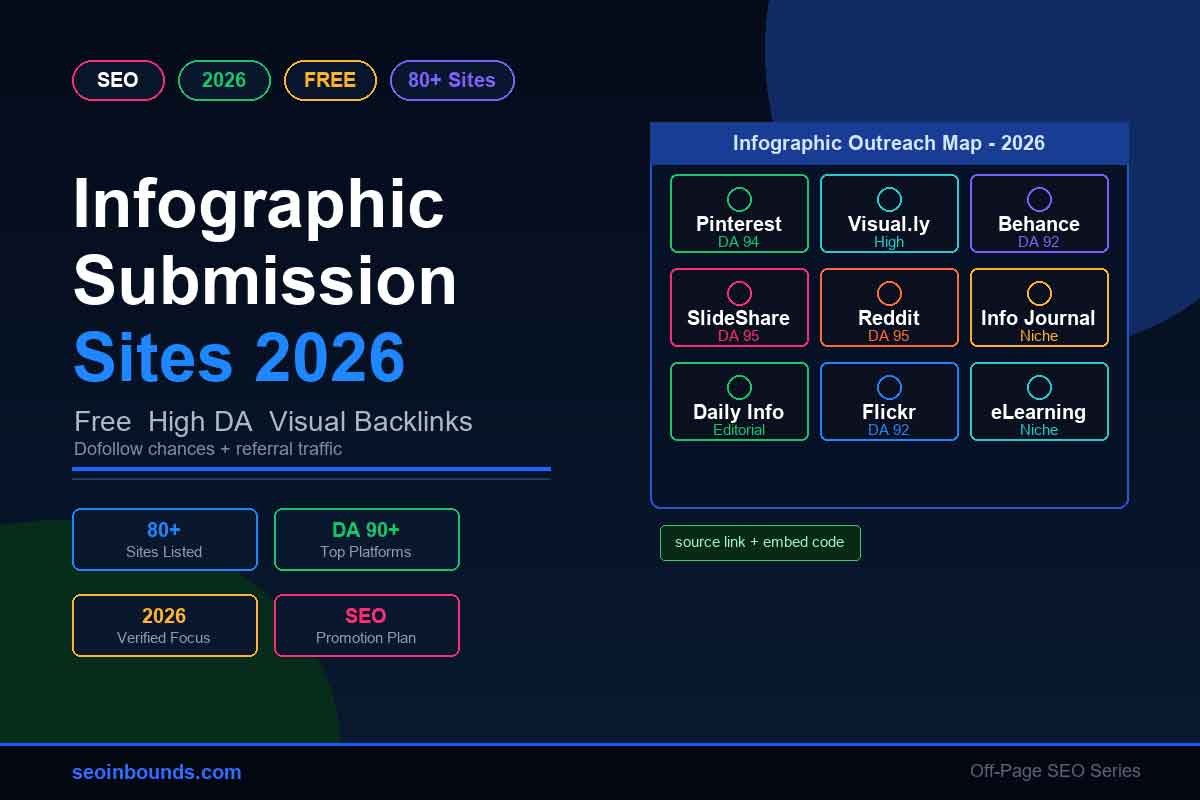
Great collection of free article submission sites! This is a valuable resource for bloggers and SEO professionals looking to improve their online visibility and build quality backlinks. Thanks for sharing such a helpful list!